





WHY PRIVATE MEMBERS CLUBS HAVE ALL BECOME WELLNESS-LED
As wellness has evolved from being an amenity into a strong reason to belong, private members' clubs continue to open on the premise of being wellness-led. A sense of belonging is universal and that premise has underpinned every members' club hitherto. Whatever the unifying criteria are for joining, we join on the premise that "We will be in one of my places, with my people".
Historically, a private members’ club often sold access: a beautiful building, a bar, dining rooms, influential people and social status. Those things still matter and they can still be present, but they're increasingly easy to replicate through luxury hotels, restaurants, co-working spaces and invitation-only events. Wellness offers something more valuable: a regular, emotionally and purposefully meaningful relationship with the member.
This is what underpins the seemingly uniform shift towards wellness-cled clubs:
Members want belonging with a purpose. Drinking, dining and networking create occasions; movement, recovery and shared health practices create something more routinised and regular. A member may well visit a their club three or four times a week for health reasons, rather than only for dinner or events.
Health is now a modern form of luxury. Time, energy, sleep, physical capability and longevity are now status markers. The luxury is no longer simply being able to access a beautifully curated space; it is now increasingly “this place helps me live well.”
The social culture has changed. Younger members want connection without the expectation that every interaction revolves around alcohol, late nights or business networking. A run club, strength class, sauna session or recovery experience are a less pressured and inclusive way to meet people.
From a business perspetcive, it makes sense because wellness increases frequency and retention. For the club operator this is commercially powerful. A gym, studio, spa or programme of events gives members ample reason to return regularly. The club becomes part of their weekly life rather than an occasional destination.
In a digital world, people want more physical experiences. When the body is busy, the mind is empty and this meditation gives the mind a break. As work, entertainment and social interaction become more screen-based, embodied experiences become more desirable and valuable. Thankfully movement is difficult to digitise convincingly; instead it brings people into a real place, with real people.
The definition of status is becoming more understated. There is a move away from overt luxury towards self-mastery, balance, longevity and “considered living.” Wellness communicates discernment without needing to be overtly showy. It is open to all, but difficult to achieve, which keeps it exclusive. 
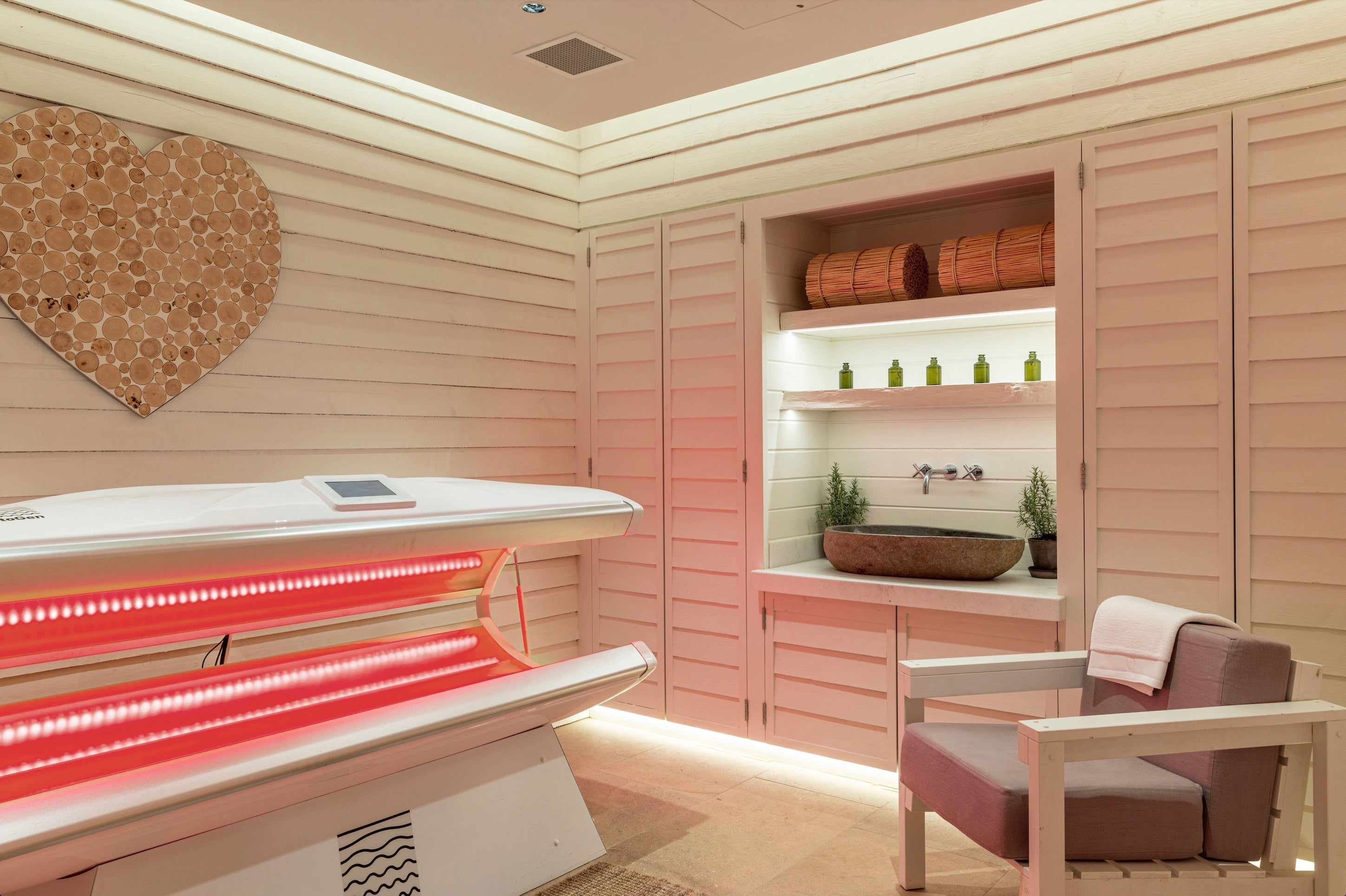
The important distinction is that the strongest clubs are not merely adding a gym and calling themselves wellness clubs. They are using wellness as an organising principle: the food, design, programming, hospitality, community and social calendar all support how members want to feel and live. A great example of this is the recenlty opened Six Senses club in the historic Whiteley's, London.



Leave a comment
This site is protected by hCaptcha and the hCaptcha Privacy Policy and Terms of Service apply.